

A Costly Misconception
Now that glyphosate has become a national-security issue, it’s time to revisit the source of misinformation about this controversial herbicide.
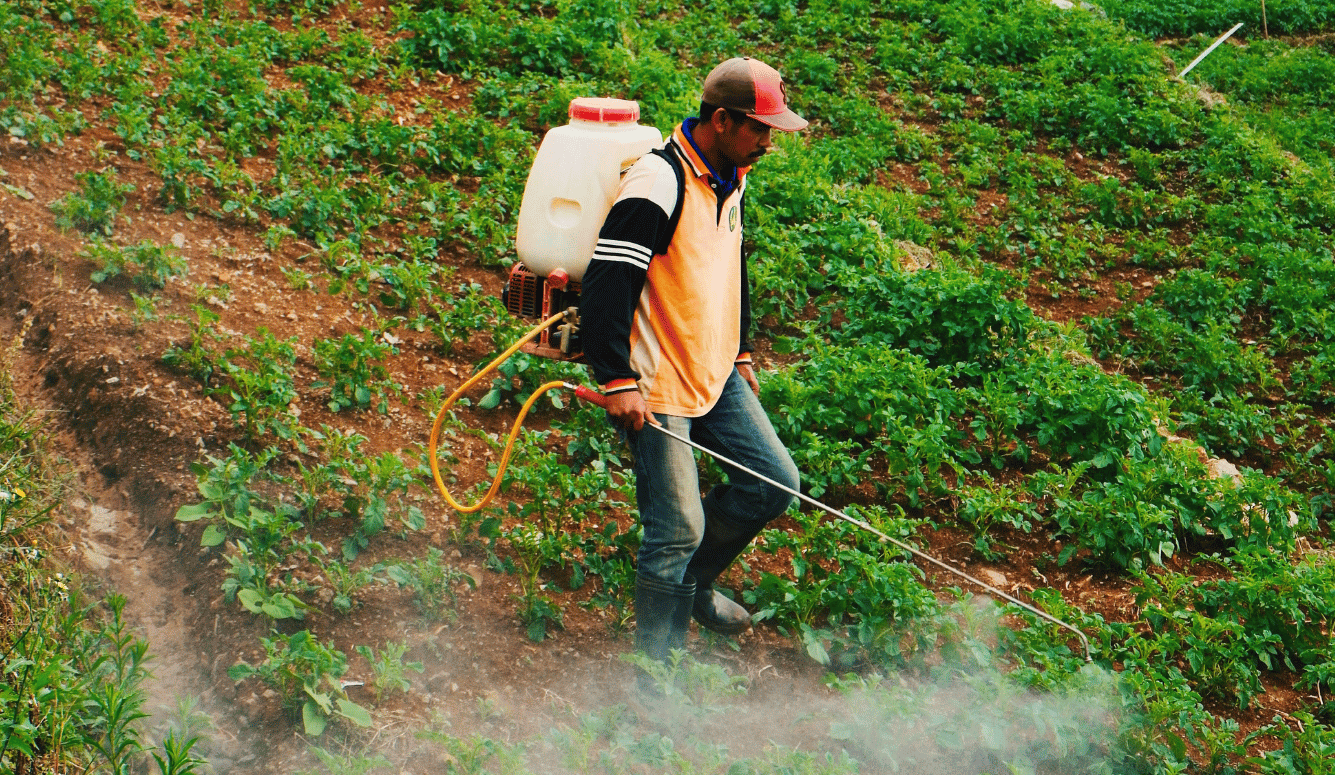
In March 2015, the International Agency for Research on Cancer (IARC) issued its report finding glyphosate—the active ingredient in the weedkiller Roundup—to be a “probable human carcinogen.” Since then, a controversy has been raging in the public sphere, the legal world, and the scientific literature.
This issue is about to come to a head. In February, Bayer, the manufacturer of glyphosate, proposed a US$7.25 billion class-action settlement of the tens of thousands of cases brought against it in state courts. Bayer’s new proposal was prompted by the US Supreme Court’s decision to hear a case scheduled for April to decide whether or not federal approval of a product can shield its manufacture from state-law failure-to-warn claims. To further complicate this already confused situation, President Trump issued an Executive Order on 18 February declaring phosphorus and glyphosate to be strategic chemicals subject to the Defence Production Act.
So is glyphosate actually carcinogenic in humans? Over a period of eleven years, that question has been buried under layers of opinion, personal testimony, legal decisions, activist propaganda, and commercial promotion. It is as if these layers of commentary have come to form a virtually impenetrable carapace hiding the science from view. In what follows, I will show how the current situation arose, which parties played key roles, and which forces and interest groups have shaped the informational landscape in which we now find ourselves.
It is important to realise that there would be no tort litigation around this issue had the IARC not determined that glyphosate is a “probable carcinogen” in 2015. Before that finding was announced in the British journal Lancet Oncology, there was little concern about the safety of this chemical. It has been in use for over fifty years and it is the most popular weedkiller worldwide.
But unlike other regulatory agencies, the IARC does not assess risk, it assesses hazard—the possibility that a substance or agent might cause cancer. This means that IARC considers carcinogenicity in the abstract, divorced from consideration of the ways in which humans are exposed to carcinogens in the real world. IARC placed glyphosate in the same category as red meat, drinking hot beverages, and working as a barber. When the Monographs program was established in 1971 to identify environmental carcinogens, the idea was to provide relevant data to regulatory scientists who would then use this information to assess risk. The IARC’s mission was never intended to broadcast information to the general public on how to prevent cancer.
If this were all there is to be said about the IARC determination regarding glyphosate, the agency’s assessment could just be dismissed as an idiosyncratic judgement. Other regulatory agencies—like the US EPA, Health Canada, the European Food Safety Authority, the European Chemicals Agency, and over a dozen other national and international agencies—all found glyphosate to be safe and not carcinogenic. However, evidence has emerged suggesting that IARC’s glyphosate determination is deeply flawed.
