


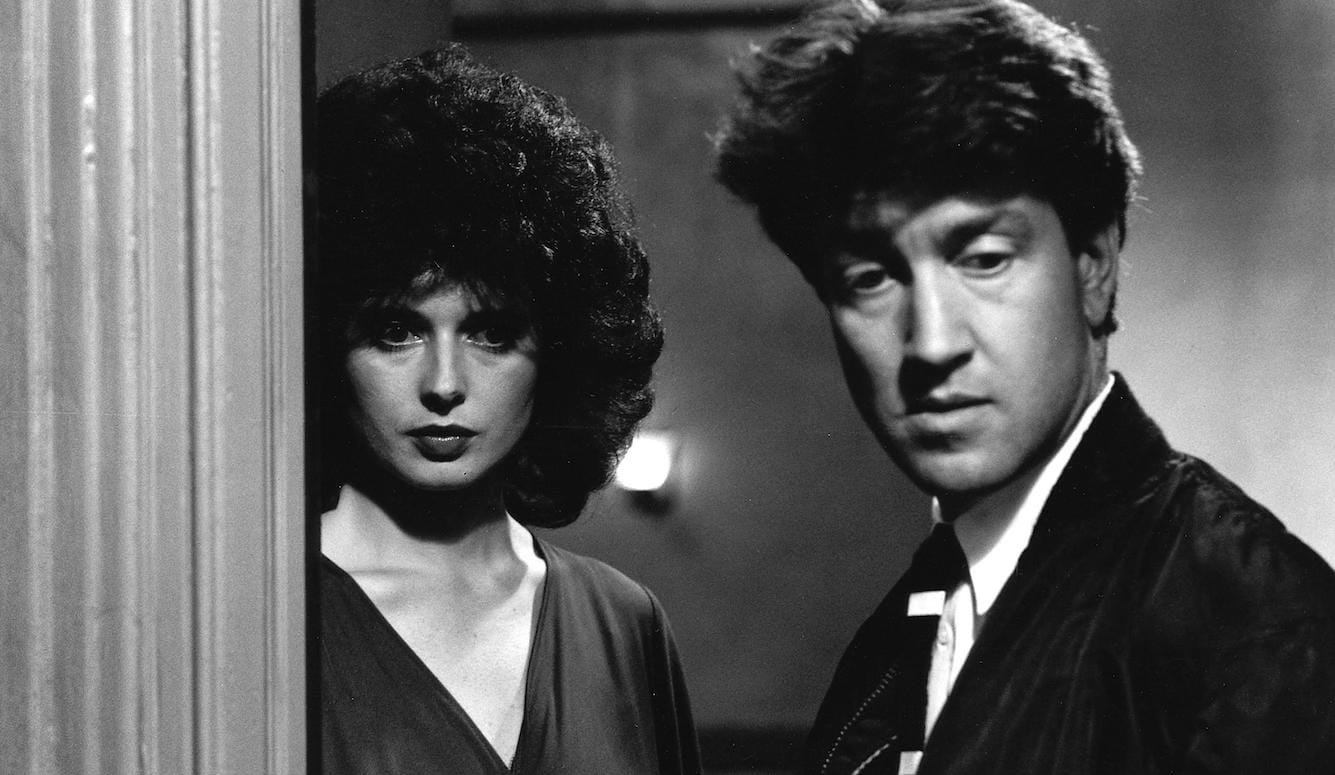
David Lynch, who died on 15 January aged 78, was that rare phenomenon in cinema: an arthouse director who found popular success without compromising his ferociously original vision. Even his most conventional pictures—The Elephant Man (1980), Dune (1984), and The Straight Story (1999)—are strange and unusual. And with his groundbreaking series Twin Peaks, Lynch found his greatest success on network television—that most aggressively banal form of popular entertainment. But Lynch will be best remembered for his most unconventional pictures. Films like Blue Velvet (1986), Wild at Heart (1990), Lost Highway (1997), Mulholland Drive (2001), and Inland Empire (2006) secured his place in cinematic history as the only purely American surrealist.
Lynch seemed to have no interest in the European tradition of surrealism; he derived his aesthetic entirely from American materials and archetypes. His style was saturated with America’s image of itself, especially the America of the 1950s in which he grew up—James Dean haircuts, Roy Orbison songs, motorcycles, chrome-plated jalopies, gee-whiz dialogue, leather jackets, endless reincarnations of Marilyn Monroe, and all the other accoutrements of early suburbia and the rebellion against it. Most American artists disdain that period as the quintessence of conformity and consumerism, but Lynch was fascinated by it. It is not a coincidence that he was so successful on television, the medium that, above all, defined the era.
However, Lynch’s films also captured something elemental about 20th-century American culture’s schizophrenic combination of sweetness, naiveté, nobility, dread, silent corruption, and apocalyptic violence. As Orson Welles once observed, “There's nothing you can say about America, good or bad, that isn't true.” And out of the vastness of this strange civilisation, Lynch forged an aesthetic that embraced it all. Critics routinely remark that Lynch’s work exposed the “seedy underbelly” of American suburban life, but like all cliches, this is only half true.
Yes, Lynch explored the darkness beneath the suburban veneer, a theme epitomised by the famous shot in Blue Velvet revealing masses of seething insects just below the impeccably manicured lawns. But he also embraced the light above, personified in the fundamental (but flawed) decency of his protagonists, who usually triumph over the brutality they uncover and confront. Blue Velvet andWild at Heart are ultimately stories about the redemptive capacity of romantic love, and the teenage crush that Audrey (Sherilyn Fenn) harbours for FBI agent Dale Cooper (Kyle MacLachlan) in Twin Peaks is touching in its sincerity. Indeed, Twin Peaks is a mosaic of people who insist on loving each other despite the horrors they face. This generosity of spirit is personified by the troubled Laura Palmer (Sheryl Lee), whose shocking murder provides the impetus for the saga—a symbol of beauty and purity horribly wronged by unspeakable evil.
➜ Read the full article at Quillette.com
Note: Quillette maintains its independence through reader subscriptions. You'll need a subscription to access the complete article.