

Apocalypse ’92
A new account of the 1992 siege at Ruby Ridge attempts to straighten out the record and place the story in a broader political and theological context.
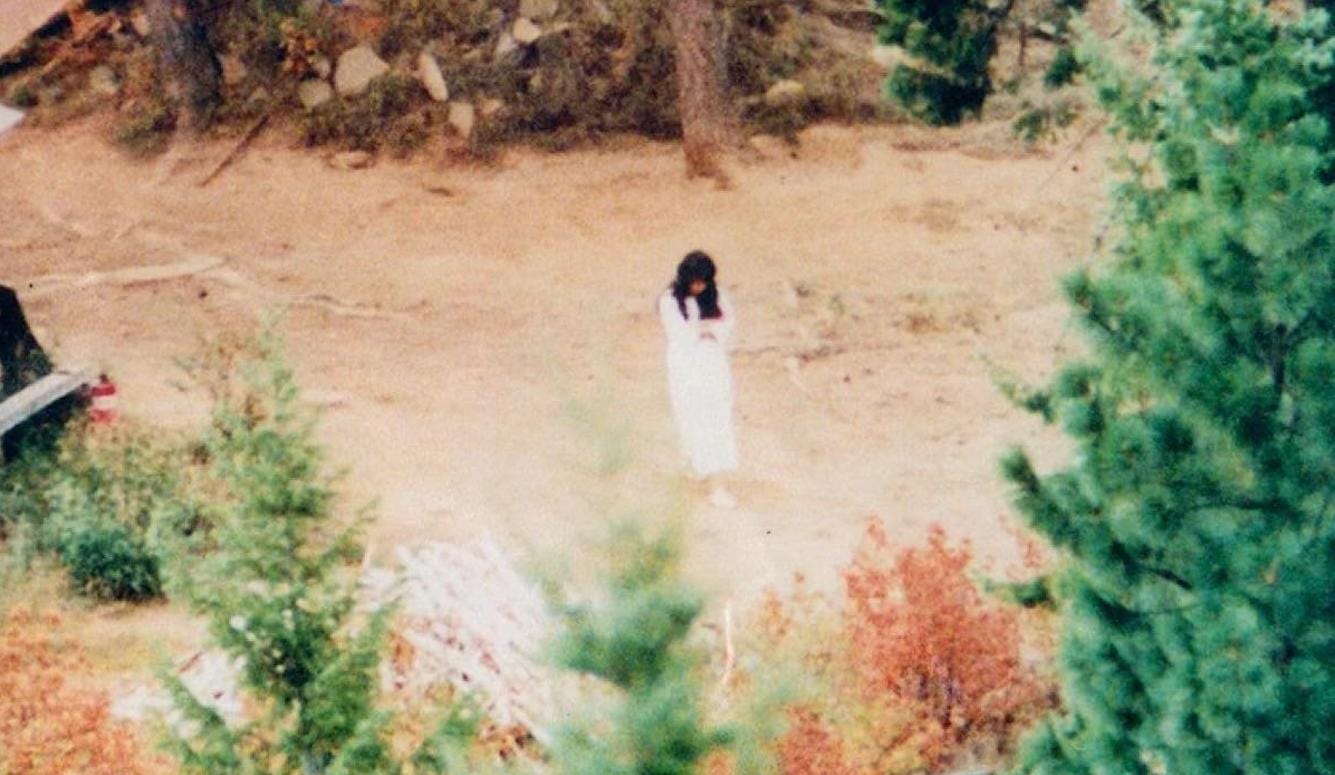
A review of End of Days: Ruby Ridge, The Apocalypse and the Unmaking of America by Chris Jennings; 384 pages; Little, Brown and Company (February 2026)
On 31 August 1992, a siege at a remote cabin in Ruby Ridge, Idaho, ended with the negotiated surrender of religious fanatic and white separatist Randy Weaver and his three daughters. During the eleven-day stand-off with federal law enforcement agents, Weaver’s wife and son were killed and so was a US marshal. Consequently, the incident rapidly became a notorious example of federal incompetence and overreach. That is not, however, the view of author and journalist Chris Jennings, whose new account of what happened that summer and why attempts to straighten out the record and place the story in its broader political and theological context.
End of Days is a sprawling, epic work that is part true crime and part intellectual history. It is more than an account of the siege itself; it is an attempt to map and understand how that strange event is connected to our present political moment. But in this—and in other matters—Jennings is positively schizophrenic. This is partly due to the authorial persona he adopts (every writer has one), which has a tendency to be smug, self-consciously sophisticated, and as obsessive as the people he ridicules. But when he takes a breath and takes his subject matter seriously, he can be the best kind of writer. Much of the book, in spite of its faults, is an absorbing read.
Jennings assembles the book on two intersecting tracks. Track One traces the history of apocalyptic thought. Track Two examines the lives of Randy Weaver and his wife Vicki, “farm kids from pious deeply-rooted Iowa families” who were raised “within a rich ecology of millenarian traditions.” As they radicalise by reading the Book of Revelation and its literalist exegeses, they retreat from their local communities, sell their belongings, and move into isolation, where they find a new sense of purpose in survivalist compounds and white-separatist conspiracies about Jewish power.
When he is exploring Track One, Jennings tries to be fair. But as he starts to assess the Book of Revelation, you can hear his teeth grinding. The last book of the New Testament, also known as the Apocalypse of St. John, is a record of the religious vision its author supposedly experienced on the isle of Patmos about six decades after the crucifixion. Jennings, it turns out, can’t stand John or his strange book. It is “a testament of violent and bitter resentment,” he writes, and a “gory fever dream” of “bloody seaside frothings” full of “heavy-metal prose” describing the Holy War between an enraged Jesus and the Beast. “None of the tender love of the Gospels can be found here,” Jennings remarks. “It is smiting and gnashing, top to bottom” and a “merciless sorting of humanity into the saved and the damned.”
