


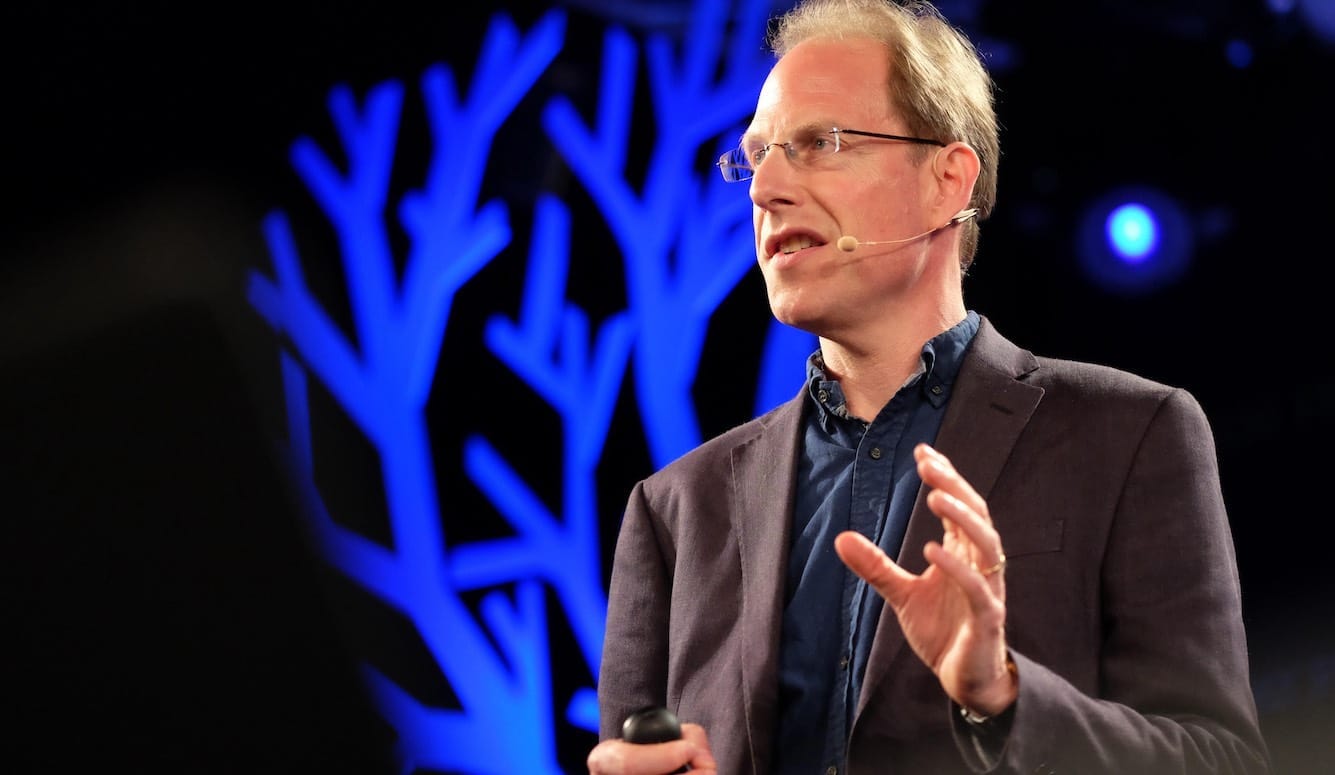
On 27 May, Hannah Gal met with Sir Simon Baron-Cohen at Trinity College, Cambridge, to discuss autism and our evolving understanding of neurodiversity for Quillette. Sir Simon is a professor of psychiatry and psychology at Cambridge University and director of the Autism Research Centre there. In 2020, he published The Patten Seekers: A New Theory of Human Invention. The following interview has been lightly edited for clarity.
Quillette: There are many reports of a rise in the number of people being diagnosed with autism. Are these reports accurate, and if so, what are the factors contributing to this rise?
Sir Simon Baron-Cohen: I have been working in the field of autism for forty years now. When I started, autism was four in 10,000, so it was very rare. Today, it is one in 31, so it is very common. This means that in any classroom of school kids there could be one child who has a diagnosis of autism, so that’s a big shift. Since the year 2000, we have seen an 800 percent increase in prevalence. So, the obvious question is: why has it gone up so much? There are several factors.

