


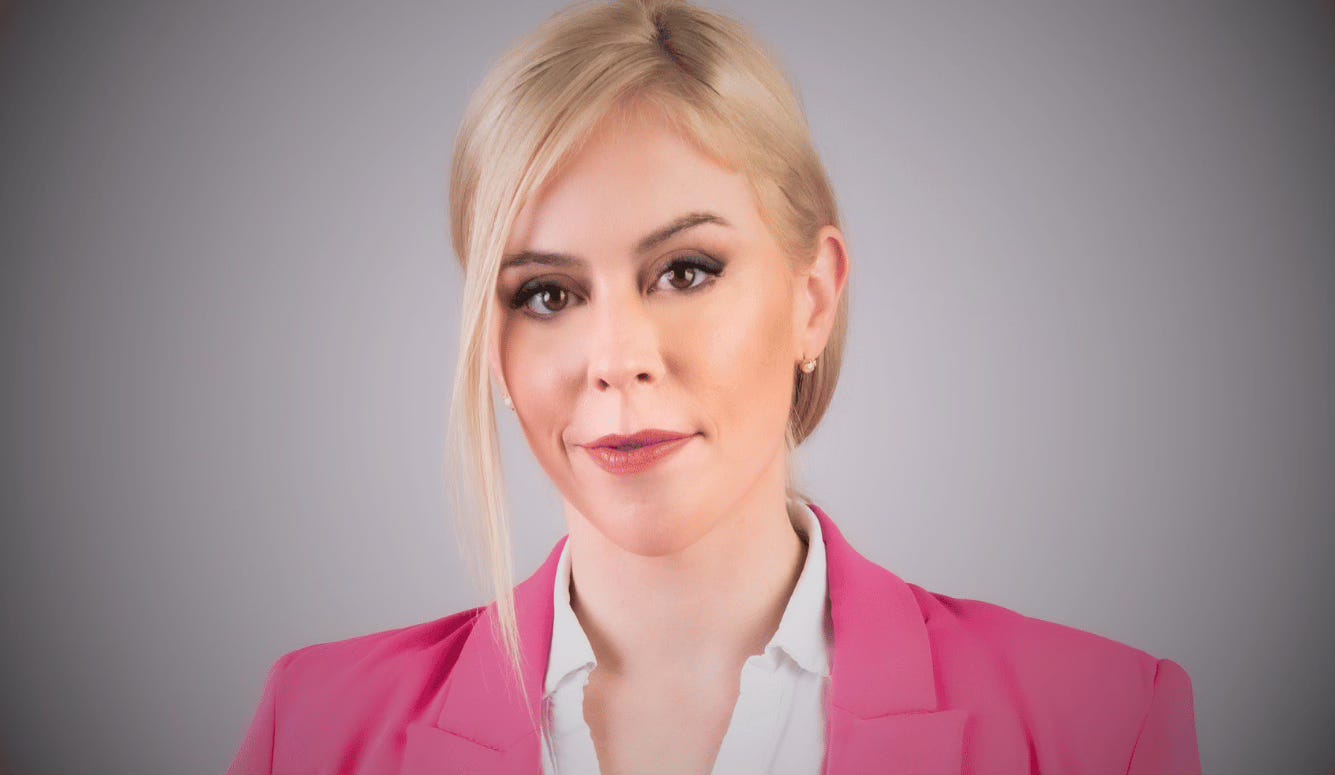
For Quillette, Pamela Paresky speaks with journalist and analyst Emily Schrader about the Islamic Republic of Iran—its ideological foundations, power structure, and the growing signs of internal instability.
Drawing on her reporting and regional experience, Schrader explains how the Iranian regime operates both domestically and internationally, from the central role of the IRGC to the suppression of protest movements and the use of narrative warfare abroad. The conversation explores the limits of reform within the current system, the legacy of the 2009 Green Movement, and the resurgence of popular resistance following the death of Mahsa Amini.
They also discuss the role of Western media in shaping perceptions of Iran, the global reach of the regime’s influence networks, and the prospects for political transition. What would a post-Islamic Republic Iran look like—and what role, if any, might external actors play in that process?
Transcript
The following transcript has been lightly edited for readability.
Pamela Paresky: How did you get involved in this particular region—not the Middle East in general, but Iran specifically?
Emily Schrader: I got involved with Iran because of my background—and no, I’m not Iranian. I’m from Los Angeles originally—which is dubbed “Tehrangeles” because there’s a very large Iranian community, both Jewish and non-Jewish. So I was always very familiar with this issue. And being someone who has always cared a lot about international political issues, even when I was living in the United States, it was only natural for me to talk about this,
As a professional, I started reporting on a lot of women’s issues, especially in the Middle East. Obviously one of the issues at the forefront here is the treatment of women by the Islamic Republic. Uh, I also did a lot of coverage of Afghanistan and what women face there with gender apartheid under the Taliban.
Definitely a worse situation for the women there under the Taliban. But similar in terms of the approach from the regime itself. The biggest difference between the two, however, is that in Iran, you have a history of progress and modernisation and stability. And also, frankly, historically speaking, Iran was colonised by Islam. Islam was not one of the countries that was originally Islamic. They have a very different mentality and approach. It’s not an Arab country like the others. So it’s a different way of thinking.

