

“Social Trust Has Really Eroded”
An interview with Francis Fukuyama.


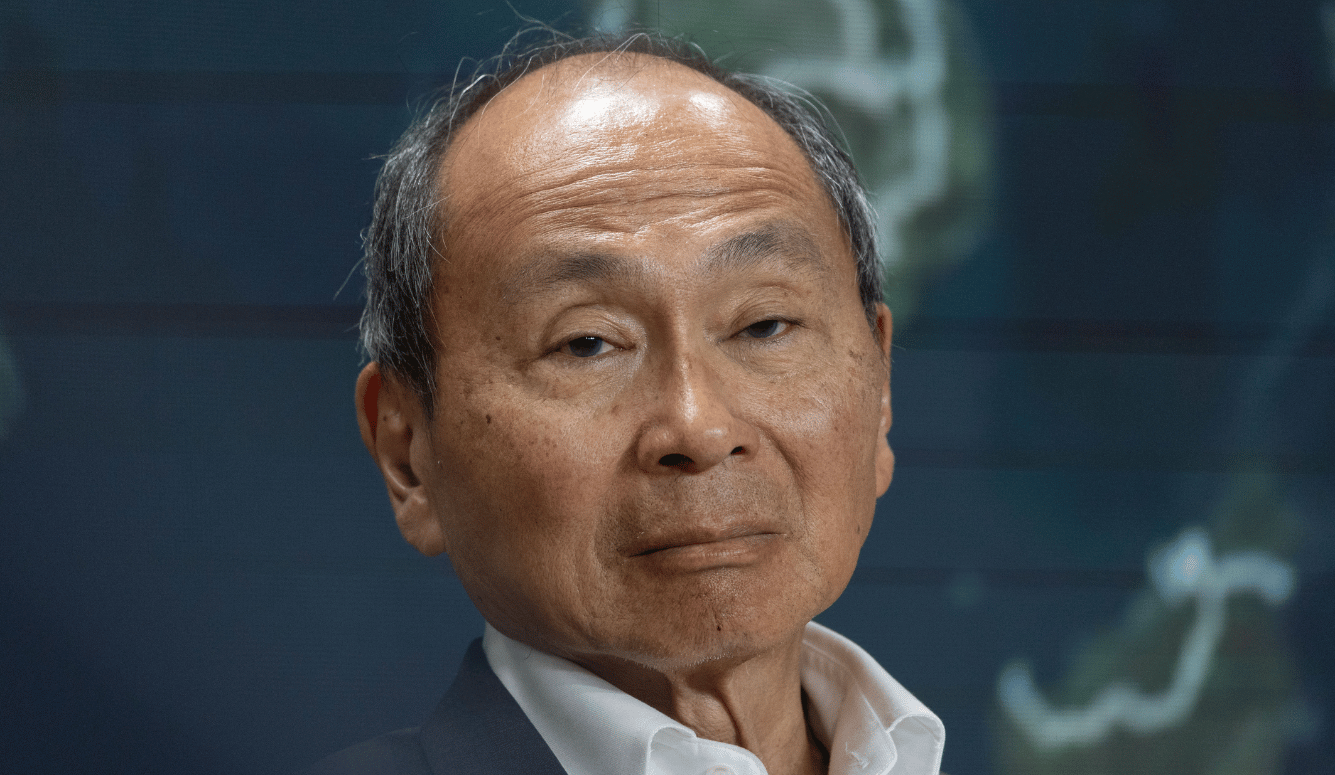
On 9 July, Francis Fukuyama sat down with Quillette’s Matt Johnson for a wide-ranging discussion about the return of political patrimonialism, the liberal “abundance” agenda, social capital and trust, wokeness, populist anger, protectionism, the struggle for recognition and the struggle for democracy everywhere.
Quillette: A major theme of your Political Order series is the importance of moving beyond patrimonialism [when political power is distributed according to patronage and loyalty] in the establishment of modern states. Under the Trump administration, a process of repatrimonialisation now appears to be underway on a vast scale. Why is this happening and what do you think the consequences will be?
Francis Fukuyama: This is a case where the democratic part of liberal democracy has triumphed over the liberal part. The liberal part really has to do with the rule of law and constraints on the executive that are reflected in constitutional checks and balances. And I think that populist movements rely on democratic legitimacy to then build power, and they don’t like the constraints that limit the power of the president. So, you hear that in people like Stephen Miller saying, “What are these courts? They have no business telling us we can’t do what we want to do.” And I think that’s been the pattern in Hungary, India, Slovakia, and a lot of other places. You have elections that produce populist leaders who then use their political capital to try to erode the checks and balances that constrain them. And that’s what we’re seeing in the United States right now.
Q: Why is patrimonialism so detrimental to good governance?

 | A guest post by
|
 | A guest post by
|