

Statecraft and Seduction
In an excellent new biography of Rasputin, British military historian Antony Beevor argues that perception can be a more powerful shaper of world events than reality.
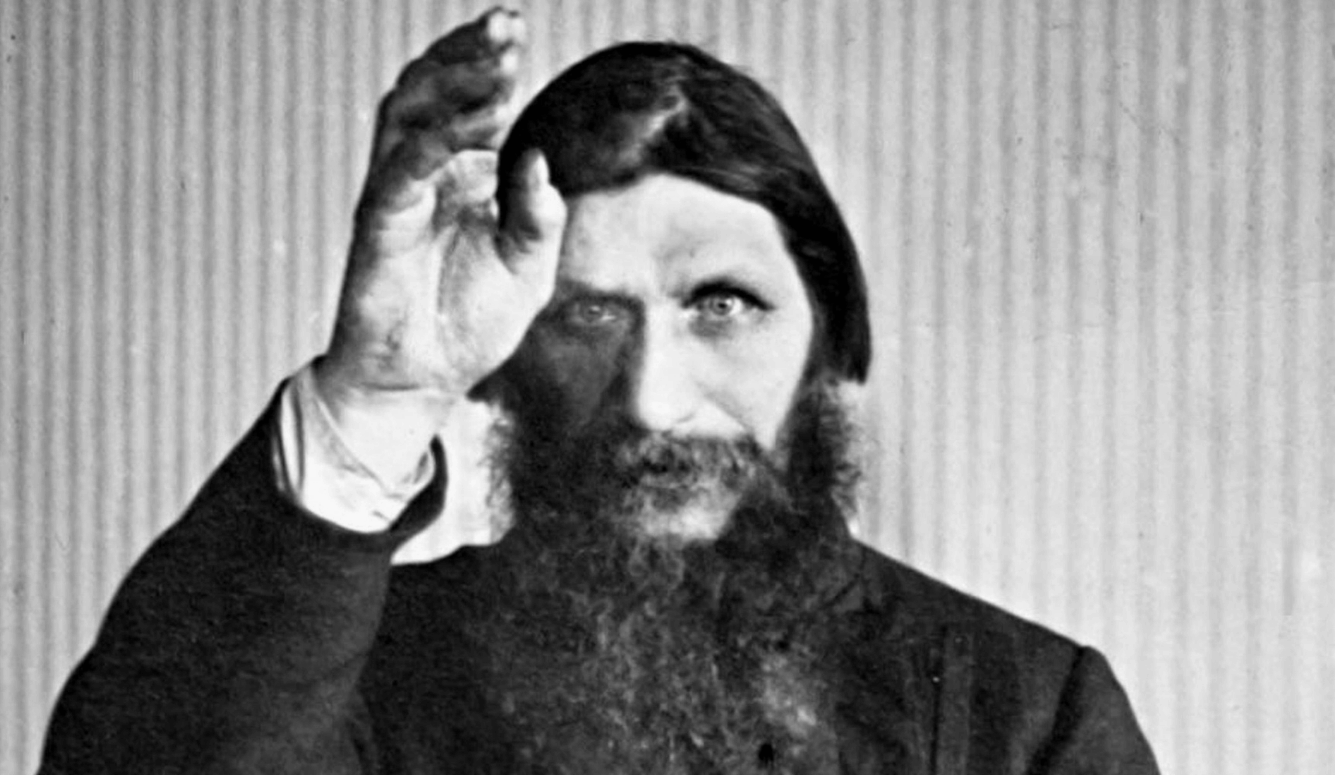
A review of Rasputin: The Downfall of the Romanovs by Antony Beevor; 384 pages; Weidenfeld & Nicolson (March 2026)
In the popular imagination, Grigori Yefimovich Rasputin was a sinister figure who faith-healed and hypnotised his way into Imperial Russia’s royal palace, where he was worshipped by Tsar Nicholas II and the Empress Alexandra. But in this excellent biography, British military historian Sir Antony Beevor contends that Rasputin was a more complex figure than that:
One should not forget the saying of the great nineteenth century poet Feodor Tyutchev that Russia cannot be understood by the mind alone. Neither can Rasputin. He combined spiritual innocence and rampant lust; intense religious faith and cynical opportunism; boasting and paranoia; instinctive generosity and cupidity; self-knowledge and fantasy. He convinced himself that he genuinely loved women. Yet he sometimes resorted to rape. All the paradoxes of his character as well as the astonishing story of his life and death, defy conventional logic.
Beevor defends Rasputin in spite of his many flaws and argues that much of his sinister image was based on disposable rumours. Claims made during World War I that Rasputin was sexually involved with the empress and her children were “totally untrue,” he writes, but Russian newspapers ran this salacious gossip nonetheless (what Beevor pithily calls “the fake news of their day”). But rumour and conspiracy theories can produce their own historical effects, and they helped to make Rasputin a pivotal figure at a critical juncture in Russia’s history: “Seldom has the cause-and-effect chain of history been so influenced by a single man of humble origins and by wild rumours,” Beevor notes. “Rasputin’s importance provides an intriguingly different angle of the so-called great man of history theory.”
Beevor begins his study by looking at the story of Rasputin himself, an unremarkable peasant from Siberia who remained illiterate until he was thirty. His daughter believed that her father’s religious conversion occurred when he saw a vision of the Virgin Mary. Beevor, on the other hand, believes his subject’s spiritual transformation came about after losing three children in their infancy. He embarked on a pilgrimage to a monastery and was tutored there by a famous hermit called Makary, who was impressed by Rasputin’s “spiritual zeal” and urged him to learn to read and write.
Rasputin returned to his family a different man. He gave up smoking, eating meat, and drinking (at least for a while) and then embarked upon a pilgrimage across Siberia: “Rasputin did not want to be a priest and was far too restless to be a hermit or monk submitted to an imposed discipline.” By 1903, his reputation had grown and his audience was no longer simple farmers; he now spoke to the denizens of St. Petersburg’s salons. Two years later, he was introduced to Tsar Nicholas II and Empress Alexandra, at which point Beevor switches his narrative focus to Russia’s royal family.
