


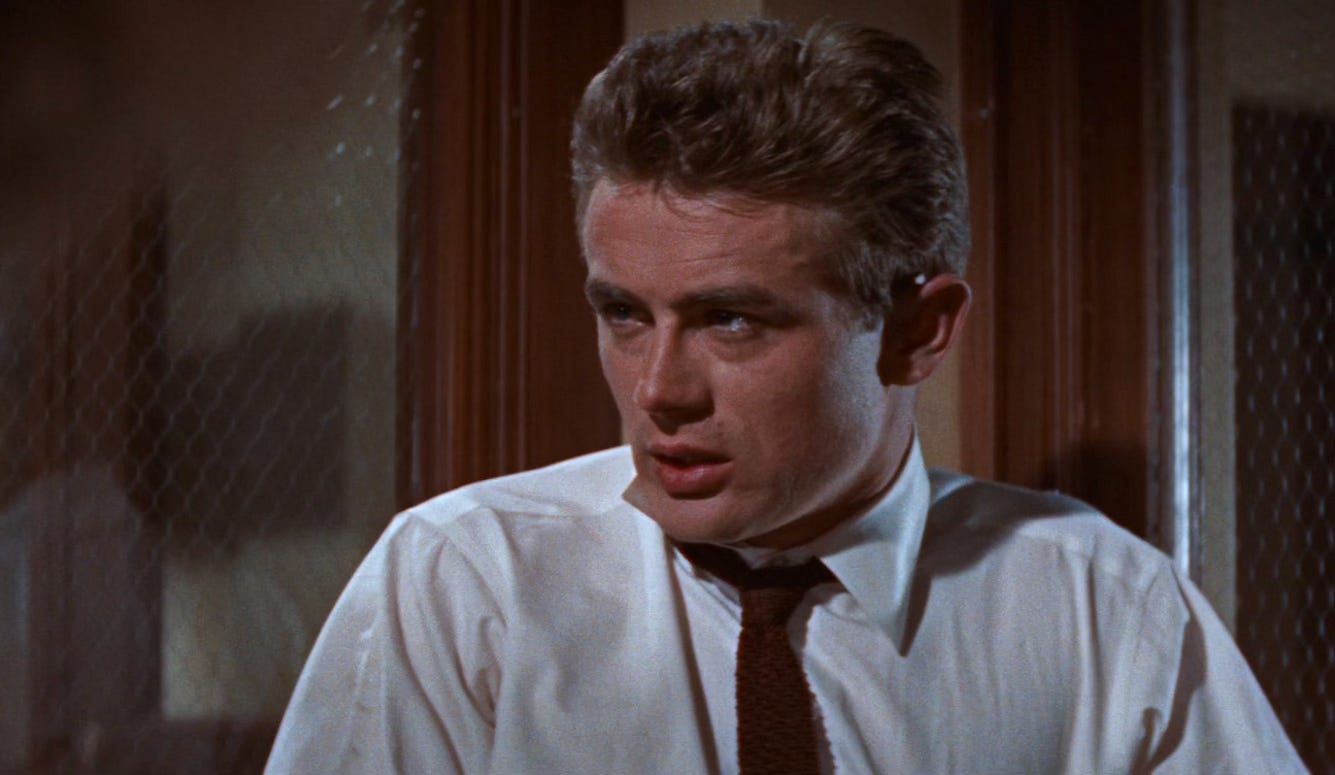
The teen film has become so ubiquitous in recent years that it’s easy to forget it is still a relatively modern phenomenon. The word “teenager” only became part of the general lexicon in the early 1900s, and it took several decades for American cultural marketeers to work out that they could capitalise on this untapped demographic. American filmmakers virtually ignored adolescents until the middle of the 20th century, both in cinematic depictions and as a potential audience. As far as Hollywood was concerned, children were children until they were not, so the appearance of adolescent characters on screen was rare and usually unimportant.
The early Mary Pickford and Lillian Gish silent film vehicles were among the first adolescents portrayed in cinema, mostly as sweet Pollyanna ingénues and damsels in distress. Later, Joan Crawford in Our Dancing Daughters (1928), Mickey Rooney’s Andy Hardy series (1937–46), and Shirley Temple in The Bachelor and the Bobby Soxer (1947) were perky teens whose most pressing concerns were falling in love and getting married, thereby conforming to parental expectations. When other teen concerns were finally explored in a serious way during Hollywood’s early decades, it was usually in stirring patriotic war films like All Quiet on the Western Front (1930).
Even today, most teen films fall into the comedy and/or romance genres and are often dismissed as frivolous or formulaic. Not many films were prepared to treat adolescent angst seriously, even during the 1980s and ’90s heyday of teen cinema. This is why Nicholas Ray’s 1955 film Rebel Without a Cause remains a landmark classic, seventy years after its release. Although it was not the first film to explore young people’s discontent and alienation, it is still one of the best and most influential. In many ways, it was the prototype of this subgenre of cinema—a timeless and subversive story tucked within a conventional Hollywood narrative structure.
Rebel Without a Cause was released during a socially conservative era. Although the postwar boom saw America’s middle class comfortably ensconced in leafy suburbia, discontent and paranoia stirred beneath the idyllic facade. Reports of teen violence bewildered and terrified parents, who were led to believe that rock ’n roll was responsible for antisocial behaviour. In September 1954, a year before the premiere of Rebel Without a Cause, a Newsweek article appeared under the alarmist headline, “Our Vicious Young Hoodlums: Is There Any Hope?”
Hollywood studios were eager to exploit this new cultural phenomenon and the intergenerational conflict it seemed to be producing. Their cynicism is evident in the various taglines Warner Brothers used to publicise Rebel Without a Cause: “Teenage terror torn from today’s headlines!” splashed one alliterative poster. “And they both come from good families!” warned another. “Jim Stark... a kid from a good family—what makes him tick... like a bomb?” Hyperbole and sensationalism of this kind were partly designed to lure audiences back to the cinema at a time when the new technology of television was eating into movie-studio profits. But they also catered to the growing fear and anxiety many adults felt about the younger generation.
The title of Ray’s film was lifted from a book by psychiatrist Robert M. Lindner titled Rebel Without a Cause: The Hypnoanalysis of a Criminal Psychopath, first published in 1944. Lindner had already attempted to adapt his own bestseller for the screen, but without success. It was not until Ray, who had a difficult relationship with his own teenage son, wrote a seventeen-page treatment based on Lindner’s book that the project gained any traction within the studio system. Ray had previously dabbled in themes of juvenile criminality in his film noir They Live By Night (1948), and in the social-consciousness picture Knock on Any Door (1949), which coined the phrase “Live fast, die young, and leave a good-looking corpse.”
Ray turned his treatment over to several different screenwriters, but then rejected the scripts they submitted for being too clichéd. He wanted something gritty, realistic, and immediate and he was willing to wait for the right collaborator. When screenwriter Stewart Stern came on board, he began by researching the new phenomenon of “chicken runs”—dangerous car races in which newly licensed teenagers tempted death at high speeds. Stern also spent some time observing social workers at the Los Angeles Juvenile Division before turning in a screenplay that met with Ray’s approval and obtained a green light from Warner Brothers.
James Dean was cast in the soon-to-be iconic role of Jim Stark—the troublesome new kid in town trying to navigate the social hierarchies of his high school. On his first day, Jim is dismissed by his neighbour Judy (Natalie Wood) as “a new disease,” but he manages to befriend another social outcast named Plato (Sal Mineo) who begins to worship him. During a class excursion to LA’s Griffith Observatory planetarium, Jim is provoked by a local gang led by Judy’s boyfriend, Buzz (Corey Allen). Jim is challenged by Buzz to a “chickie run”—the young men will race their cars towards a cliff edge and see who is the first to jump out. In a development subsequently copied for the 1984 teen film Footloose (albeit with tractors!), Buzz’s jacket gets stuck, preventing him from leaping from his car, and he plunges over the cliff to his death.