


I. The Stars on Hollywood Boulevard
If you’re ever in Los Angeles, you can find Harrison Ford’s star on the Hollywood Walk of Fame just outside the Dolby Theatre. It’s a prime spot, right where they roll out the red carpet for the Oscars each year.
If you walk a little farther east along Hollywood Boulevard, you’ll find the glitz and glamour starts to fade, as the twinkling theatre lights make way for the fluorescent glare of discount souvenir stores. It’s here, outside the Musso & Frank Grill (supposedly the oldest restaurant in the city) that you’ll find another star dedicated to Harrison Ford. This one is a bit more weathered but otherwise identical to its fellow a quarter mile up the road—right down to the little movie camera icon that indicates an association with the silver screen.
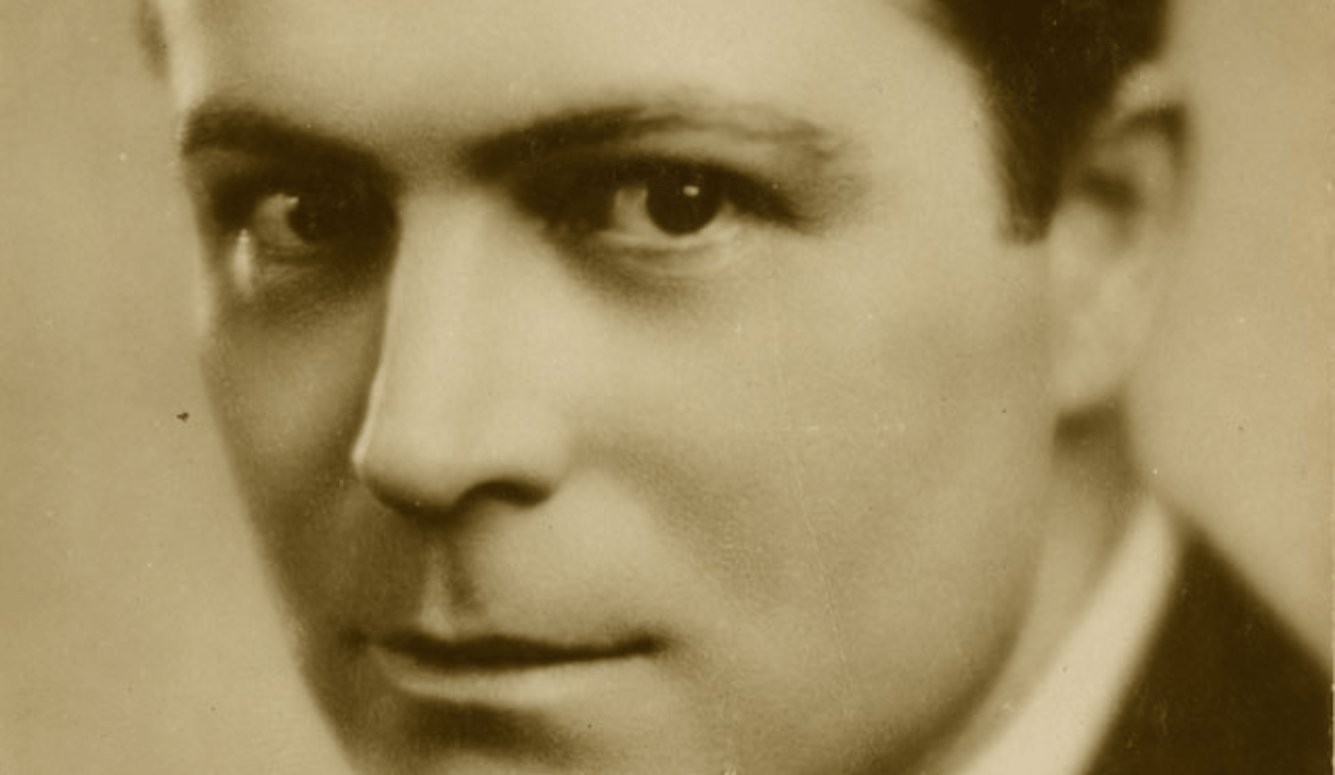
Among the 2,700 stars that make up the Walk of Fame, these are the only ones that form an exact duplicate pair. You might chalk that up to some administrative error on the part of the Walk of Fame committee, perhaps giddy in their overeagerness to honour the actor we all know as Han Solo and Indiana Jones. But the stars actually commemorate two completely unrelated actors. The more prestigiously placed marker at the Dolby Theatre honours the Harrison Ford of the Blade Runner and Jack Ryan movies; the other pays tribute to a now-forgotten star of the silent era.
In his time, this Harrison Ford was one of Hollywood’s most popular movie stars. He appeared in over eighty films, alongside the biggest names of the era, including Lon Chaney, Gloria Swanson, and W.C. Fields. He was also directed by some of the most notable auteurs of the day, such as D.W. Griffith (best known for his controversial film The Birth of a Nation) and King Vidor (who straddled the silent and sound eras and directed the “Over the Rainbow” sequence in The Wizard of Oz).
But Ford’s fame came at a time when film was still an impermanent medium. Movie reels took up valuable storage space, so they were often junked after a film had finished its run. Even if it wasn’t destroyed intentionally, the nitrate stock was highly flammable and susceptible to decomposition when not preserved properly. In his book Lost Films, historian Frank Thompson posits that as many as 80–90 percent of films produced in the silent era have vanished forever.
Ford’s filmography comes in at a better ratio than that—just over half the movies he is known to have starred in are lost or incomplete. But those that remain have fallen out of fashion. With the transition from silent to sound and from black-and-white to colour, there is only room for a mere handful of movies from that early era of cinema in our cultural consciousness—and none of them are Ford’s.
All that is to say, that despite his marker on Hollywood Boulevard, Ford’s star has faded considerably. Since his death in 1957, almost nothing has been written about him. And since the release of Star Wars in 1977, any glimmer of remaining recognition has been totally eclipsed by his more famous namesake. Indeed, when he is remembered at all, it is always in conjunction with that other Ford—as the punchline to some trivia question or “did you know?” factoid.
In this way, Ford’s life offers a curious case study on legacy. As his story suggests, none of us can control the way we will be remembered (or forgotten) after we are gone. Societal shifts or strange coincidences can completely change the narratives of our lives and the ways they are interpreted.
Ford never knew of his namesake, or the usurper’s position that younger man would assume. If you asked him to sum up the narrative of his life he might have framed it as a rags-to-riches journey from stage to screen. If Ford wished to be remembered at all, it might have been as a man who loved the theatre, who loved books, and who loved his mother.
All that has been lost. But delving into the archives, we can piece together a more nuanced portrait of this once famous man, and perhaps perform an act of remembrance for one of the stars of the silent screen.
